How Cleaning Commercial Solar Panels Increases Power Output
Commercial enterprises across Logan are investing heavily in clean energy technology to reduce operational expenses and lower their carbon footprint. Operating large-scale commercial solar panels allows businesses to take advantage of abundant Queensland sunshine. However, an often-overlooked factor in system performance is environmental soiling. Airborne dust, vehicle emissions, agricultural drift, and bird droppings accumulate across photovoltaic surfaces, forming a barrier that obstructs sunlight. Understanding how professional panel washing elevates electrical energy conversion is vital for businesses seeking to maximize their return on investment in 2026 and beyond.
The Direct Impact of Soiling on Photovoltaic Performance
Photovoltaic cells require direct, unhindered exposure to solar irradiance to trigger the flow of electrons. When commercial solar panels accumulate a https://titushhtr621.stonefielddigest.com/posts/gutter-replacement-vs-gutter-repair-making-the-right-call layer of particulate matter, light transmittance drops significantly. In industrial and commercial sectors of Logan, airborne contaminants from nearby transport corridors and manufacturing zones settle onto arrays, causing gradual yet severe performance degradation.
Even a thin, translucent layer of dust can trigger measurable reductions in power generation. In systems featuring grid-tied solar panels connected in series, a heavy accumulation of debris on just a few panels can degrade the output of an entire string. Through professional intervention and advanced solar services, removing this obstruction allows systems to return to optimal electrical energy conversion rates, frequently restoring between 10% and 25% of lost generation capacity.
Key Mechanisms That Restore Power Output
Routine maintenance does more than rinse away visible dirt; it optimizes the physical operation of clean energy installations. By integrating expert solar panel services into routine facility schedules, commercial properties unlock measurable efficiency gains.
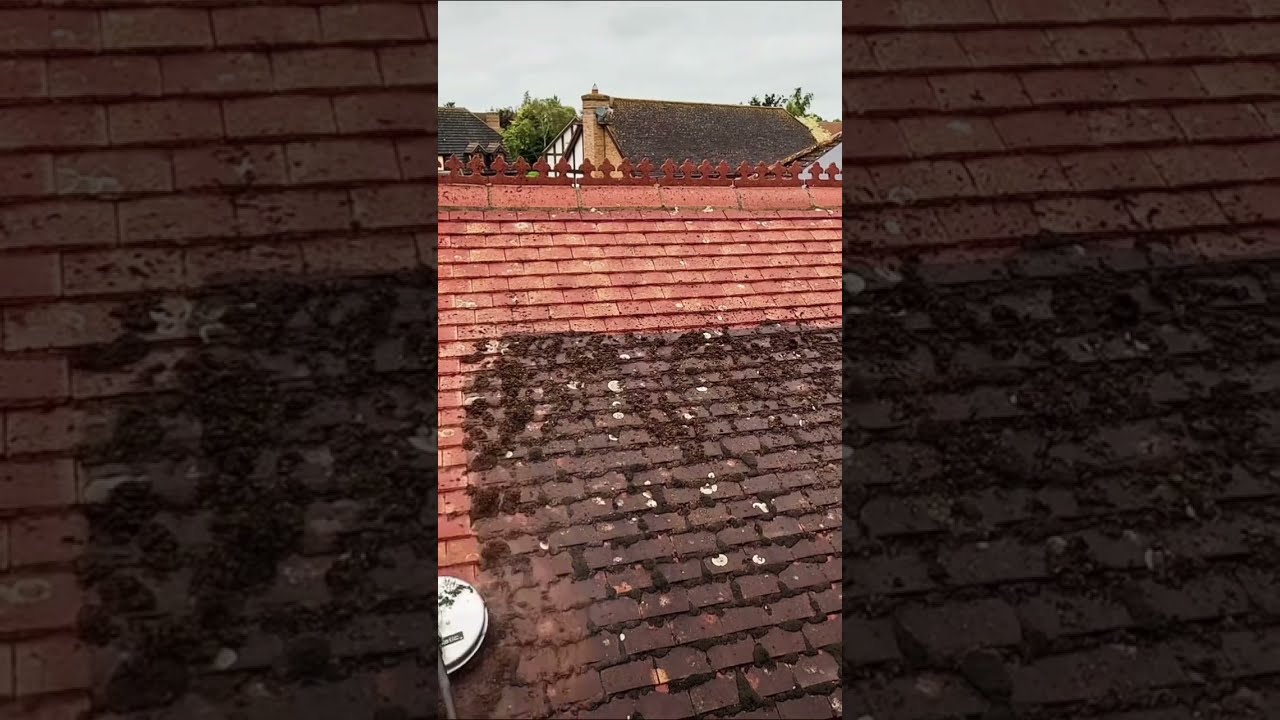
- Mitigation of Hot Spot Formation: Localized debris, such as dried bird waste, causes uneven current distribution across photovoltaic cells. This resistance generates intense localized heat known as hot spots, which degrade nearby cells and trigger irreversible module damage over time.
- Restoration of Anti-Reflective Coatings: Advanced solar technology relies on specialized glass surface coatings designed to capture low-angle morning and late-afternoon sunlight. Organic buildup blinds these coatings, severely limiting energy harvesting during peak operational hours.
- Optimized String Performance: Inverters match output to the weakest performing segment of an array. Eliminating patchy dirt ensures uniform performance across all modules, allowing modern inverters to operate at peak efficiency.
- Improved Thermal Dissipation: Compacted dirt layers insulate modules, retaining heat. Because solar panel efficiency declines as temperatures rise, clean panels dissipate heat more effectively into the ambient air, maintaining peak operating thresholds on warm Logan days.
Coordinating Solar Care with Building Envelope Maintenance
Commercial solar arrays do not exist in isolation; they function as an integrated component of overall building envelope protection. Dirt washed from solar modules naturally flows downward onto the surrounding roof surfaces, drainage systems, and structural perimeters. Facility managers in Logan increasingly pair panel servicing with commercial roof cleaning and exterior water management to safeguard their assets.
When washing rooftop arrays, coordinating the project with Colorbond roof cleaning, exterior roof washing, and routine gutter maintenance ensures that runoff does not clog downpipes or pool around foundations. Combining comprehensive solar solutions with thorough exterior upkeep prevents debris from re-circulating back onto the solar glass during windy afternoons, extending the intervals between necessary cleanings while maintaining site-wide structural integrity.
Best Practices for Maintaining Commercial Arrays in 2026
Modern commercial facilities require rigorous cleaning protocols that preserve manufacturer warranties while maximizing generation. Standard pressure washers or abrasive chemicals can etch solar glass, strip anti-reflective coatings, or compromise water-tight seals around junction boxes.
- Pure Water Deionization Systems: Technicians utilize multi-stage reverse osmosis and deionized filtration to clean panels without minerals, eliminating the residue and water spots left behind by hard tap water.
- Non-Abrasive Rotary Brushing: Automated and semi-automated brush systems designed specifically for advanced solar technology gently agitate bonded films of road grime without scratching module surfaces.
- Comprehensive Diagnostic Checks: Professional service providers inspect wire runs, conduit seals, and framing integrity, ensuring that physical wear or pest damage is identified before it causes system downtime.
Sustaining Energy Efficiency Solutions for the Future
As energy costs fluctuate and commercial sustainability standards tighten toward 2027, maintaining maximum efficiency across clean energy assets is essential. Investing in systematic cleaning schedules ensures commercial solar panels consistently produce their rated kilowatt-hour yields. For organizations throughout Logan, adopting structured maintenance protocols protects capital investments, supports energy efficiency solutions, and guarantees clean, cost-effective power generation every day of the year.
Logan Roof Cleaning Pros
Unit 8 13/15 Ellerslie Rd, Meadowbrook QLD 4131, Australia
(07) 4803 1388